Castle Green House
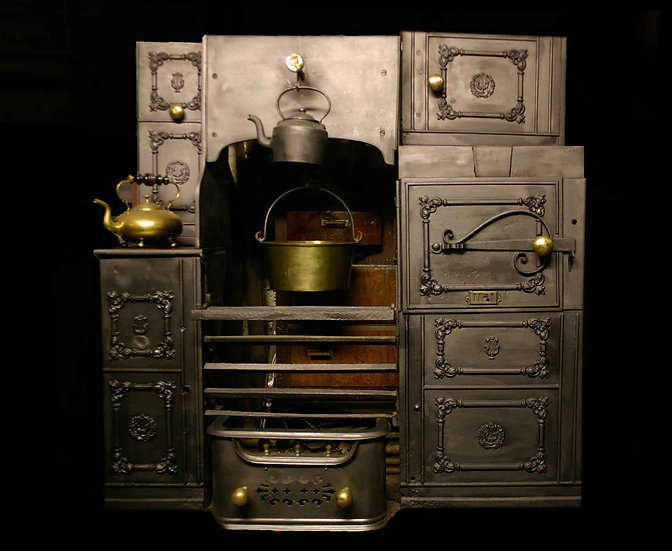
The Georgian Kitchen
The Georgian Kitchen
A self-sufficient source of most foods.
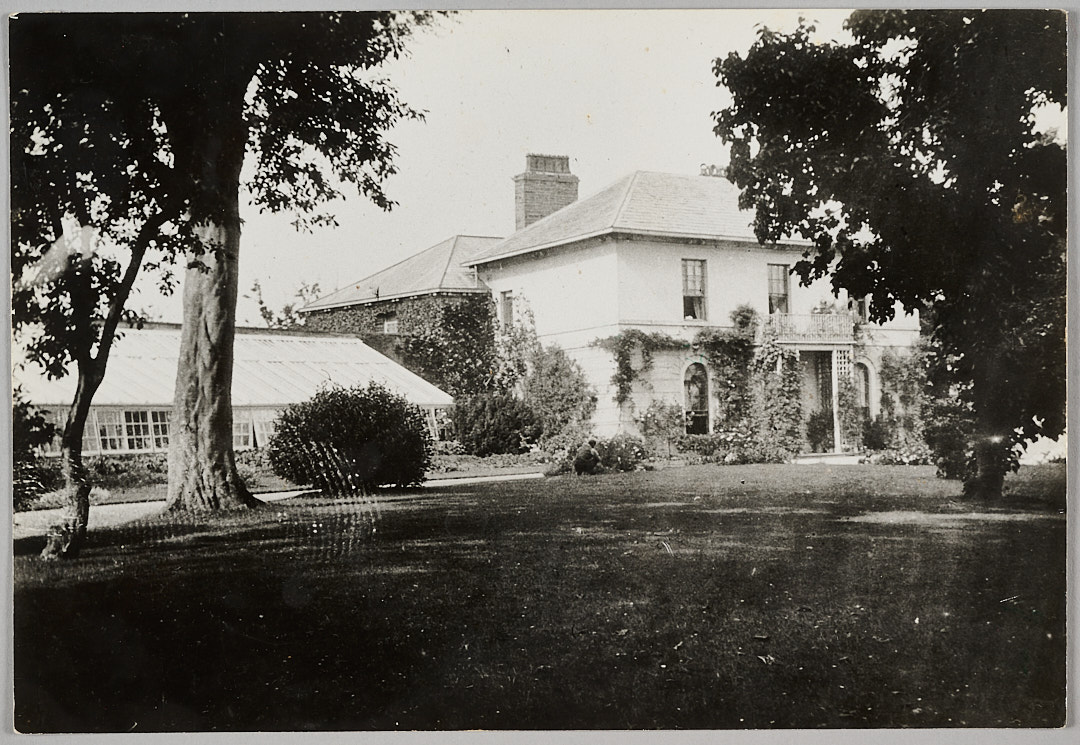
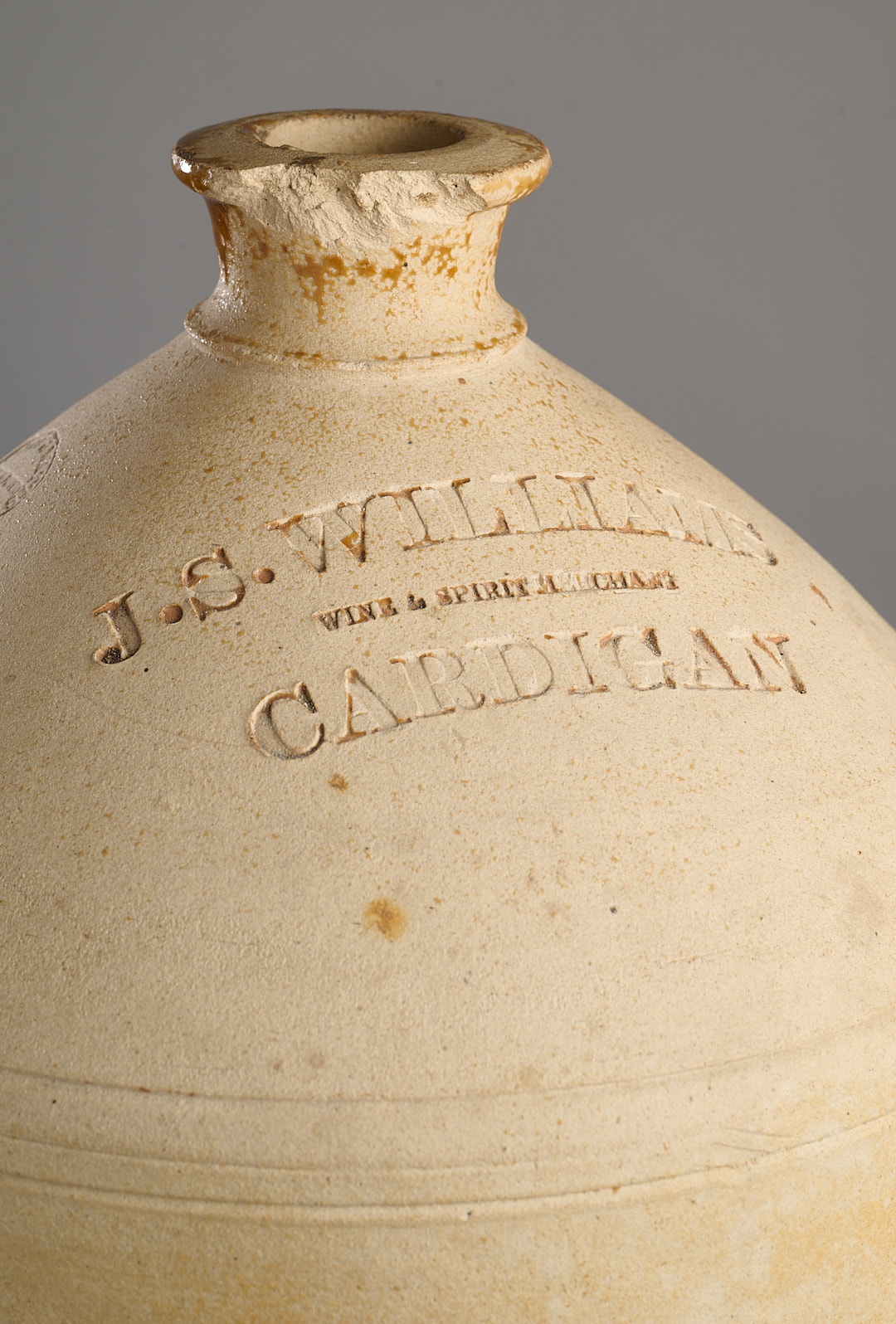
Families living at Castle Green House during the Georgian period would have followed the food habits of wealthy families of the time. Their meals would have included a variety of local produce, meats, and imported goods that symbolised their social status. Typical food and ingredients would have included beef, mutton, pork, and game (such as venison and rabbit). These would have been purchased locally or reared on one of the Castle’s farms. They would also eat chickens, ducks, and pigeons as well as fish from the river Teifi and shellfish sourced from Cardigan Bay.
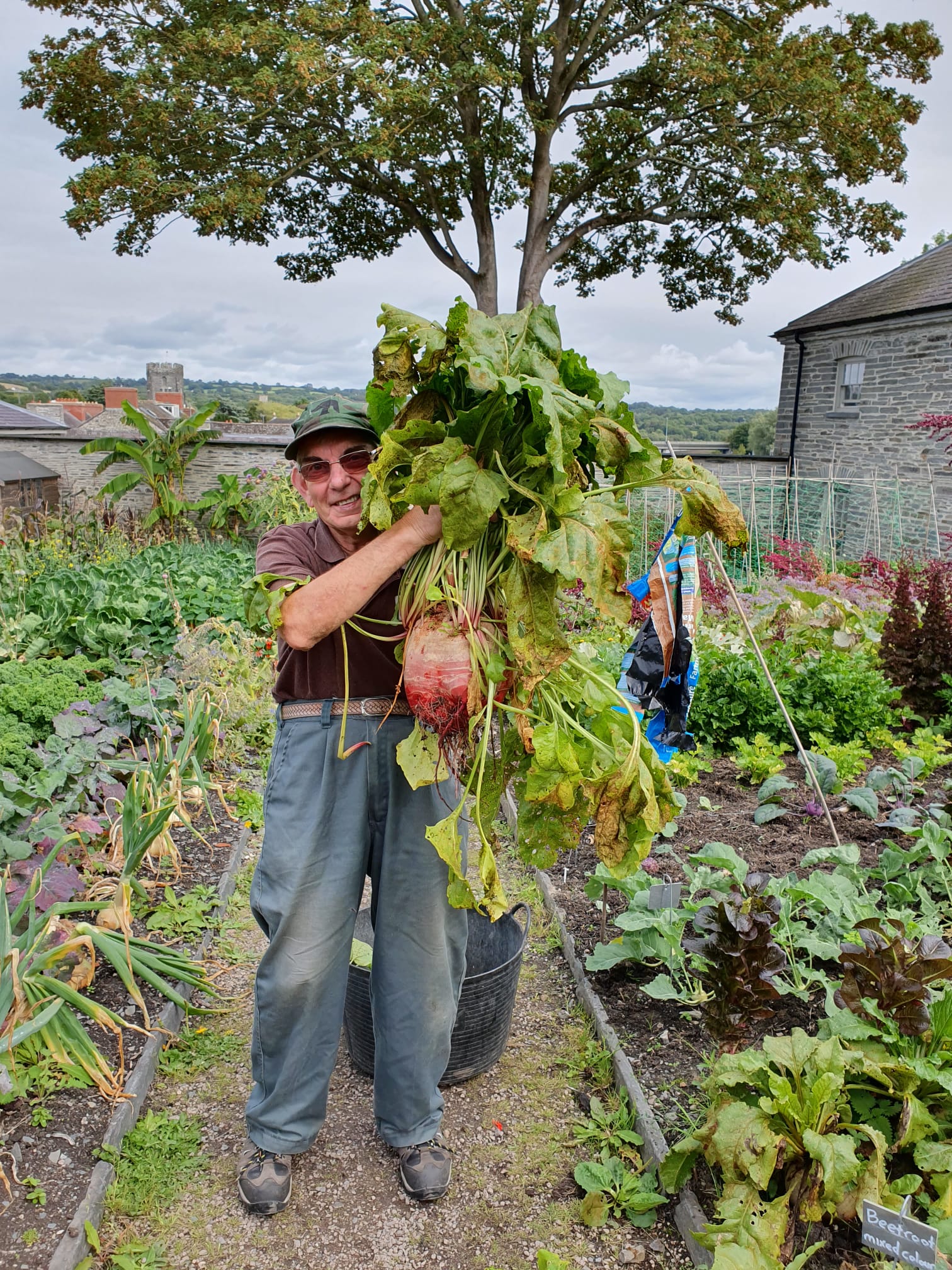
The vegetables and fruit produced from the gardens would have included potatoes, carrots, parsnips, turnips, and cabbages as staples. More exotic vegetables like asparagus and artichokes were also grown and tended to by the Gardener and his helpers in the walled kitchen gardens. Dairy produce would have come from their farms, being made into butter, cream, and a variety of cheeses. Apples, pears, plums, and soft fruits such as raspberries and gooseberries again came from the garden, but they would also import citrus fruits (oranges and lemons). Other luxury imports would have been sugar, coffee, tea, and chocolate from British colonies, and spices like cinnamon, nutmeg, and pepper.
Meals were often elaborate affairs with multiple courses, served formally by household staff. Dinner parties were common social events. Georgian families often prided themselves on their ability to showcase the finest foods and imported luxuries, such as the Pineapple – which of course was one of the ultimate exhibitions of wealth at the time.